

Declining population poses a challenge to Bangkok's housing market
Bangkok's population is currently around 5.5 million and does not show a clear upward trend, but rather is subject to temporary fluctuations. While some areas are experiencing a decline in population, new developments are helping offset this outflow.
Unlike Bangkok, the provinces surrounding the city have a population of around 5.5 million with an annual growth rate of 1.5%. Given the combined population of Bangkok and the surrounding area as a whole, the increase in population in the fringes contributes to the overall expansion of the region.

According to a study conducted by the Bangkok Administration (BMA) ten years ago, the unofficial or undocumented population was approximately 50% of the official population of both Bangkok and its regions. This suggests that the total population, including undocumented residents, could be as high as 16.5 million.
Bangkok Housing Balance: Meeting the Needs of a Growing City
This data sheds light on the problems faced by local housing around Bangkok. Typically, first-time homebuyers prefer detached houses or townhouses. A growing population in the fringes is creating a demand for affordable housing and land suitable for these buyers. However, in the city of Bangkok itself, high land prices make it difficult to create affordable housing in the desired price range.
This situation requires the creation of approximately 40,000 housing units annually to meet the demand from first-time homebuyers alone. Another group consists of people who prefer apartments in Bangkok. Although apartments on the outskirts may have lower prices, they may not offer easy access to the central business districts for work. Therefore, the demand for affordable apartments in Bangkok could be around 30,000 units. Considering also residential units in commercial buildings and land, the total would be about 70,000 units to meet the needs of buyers.
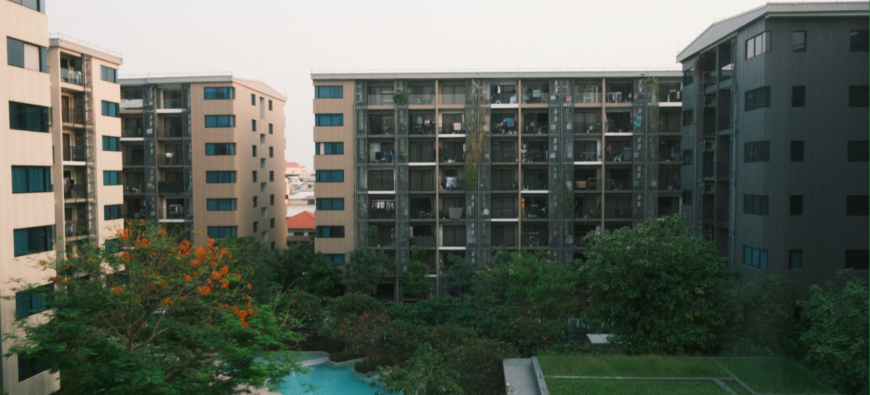
Approximately 100,000 residential units are sold annually in Bangkok and its regions. Thus, the remaining 30,000 units, after accounting for first-time homebuyers, represent demand from homebuyers who want to relocate.
Dynamic growth: Bangkok and surrounding provinces in real estate
The growth of the housing market depends on the continuous growth of the population both in Bangkok and in the surrounding provinces. While the numbers point to limited growth in Bangkok alone, there is hope for growth in the surrounding provinces.
While a declining population trend across different age groups may indicate a decline in demand for housing, this may not have a significant impact on the property market due to other factors influencing it. However, the actual reduction in demand may still have some noticeable impact, especially over the next 20 years.
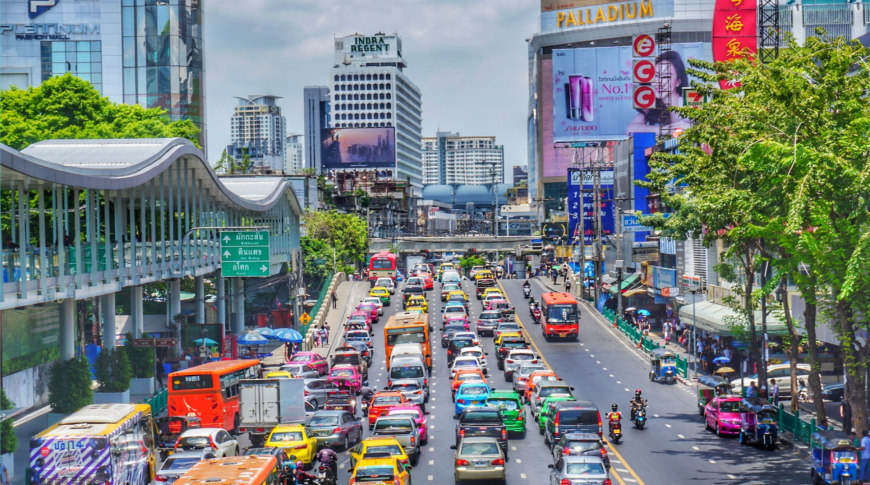
Ultimately, the sustainability of the housing market depends on the ability of Bangkok and its regions to provide sufficient economic opportunities for the people of Thailand. This includes providing sufficient economic prospects and incentives for people to move to the region. Moreover, continuous population growth of at least 1.5% per year in the surrounding provinces plays an important role in maintaining demand in the housing market.
Rising interest rates hit poorest homebuyers, developers say
Rising interest rates are causing banks to turn down mortgage applications at a higher rate, especially for houses and apartments worth between 1 million and 3 million baht, says Piya (owner of a real estate agency).
However, his company has moved into mid-to-high-end real estate over the past three years in anticipation of rising interest rates and is now focusing on luxury homes ranging from 10 to 30 million baht.
Previously, 70% of Pruksa Real Estate's portfolio consisted of houses and apartments worth less than 3 million baht. “So they shifted their focus to low end real estate,” Pia said.
He said that the Thai real estate market typically expands by 5-7% if the country's gross domestic product grows by 3% per year.
Pia said the company's strategy has shifted to "landscape" with around 20% apartments. Even in the apartment segment, the company prefers high-rise buildings. "They bring a faster return on investment compared to high-rise apartments that require two or three years of construction," Pia explained.
Kessara Tanjalakpark, chief executive of Sena Development Plc, said the recent hike in interest rates may not have the same impact as before. However, Kessara agreed with Pia that the rate hike has the biggest impact on low-income shoppers.
"If there is another rate hike without new government stimulus, it will significantly affect the real estate market," he added.
Author of the article: Ekaterina Antonova


