

Delayed government formation threatens Thailand
The Federation of Thai Industries (FTI) expressed its concern about the delay in the formation of a new government in the country. According to FTI President Kriengkrai Tiennukul, this delay could reduce Thailand's gross domestic product (GDP) growth by 1-1.5 percentage points. The main industry contributing to the development of the Thai economy this year is tourism.
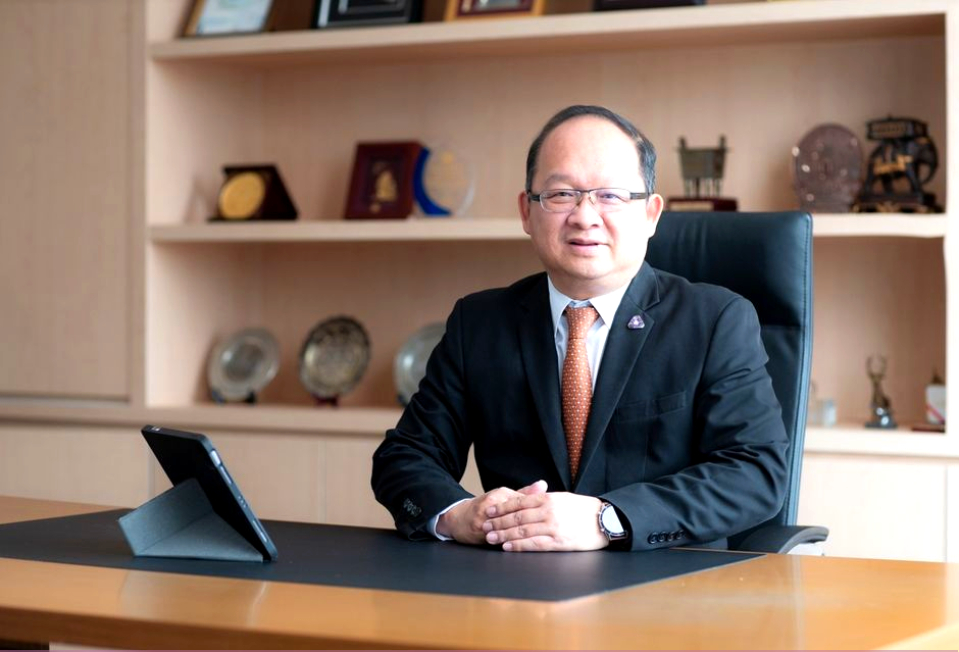
However, if government formation drags on past August and there are massive protests or political instability, it could deter foreign tourists from visiting Thailand later in the year. As a result, this will have a short-term impact on economic growth and lead to a reduction in the projected GDP growth rate from 3.0-3.5% to 2.0-2.5%, Kriengkrai said. In addition, long-term consequences are possible, such as the redirection of foreign investors to other countries in the region.
The need to promote tourism and attract foreign investors
The forthcoming government should continue to implement tourism promotion measures to attract foreign tourists and ensure their convenience and safety during their stay in the country, said the FTI president. In addition, other issues need to be addressed, such as the insufficient air capacity of Thai Airlines to serve incoming tourists and the problem of water supply on some islands popular with foreign tourists.
Thailand has the ability to attract foreign businesses for investment and work. Due to geopolitical conflicts that have led to the relocation of production bases, the government needs to accelerate the improvement of infrastructure to support investment, Kriengkrai said. This includes legal reforms to improve the business environment, such as simplifying visa procedures and ensuring the continuity of free trade agreements between Thailand and the European Union.

FTI is confident that global investors are still looking to Thailand. The sooner a coalition government is formed and political stability is achieved, the better it will be for the entire Thai economy, Kriengkrai said.
Political uncertainty and growth prospects
President of the University of the Chamber of Commerce (UTCC) Tanawat Polwichai expressed his concern about the unstable political situation, which could slow GDP growth to below 3%. The Center for Economic and Business Forecasting of the Thai Chamber of Commerce also expressed concern about the lack of political stability, including the potential impact of protests outside the Parliament building, which could lead to the Thai economy growing less than 3%. However, the consumer confidence index showed a continuous improvement in May for 39 consecutive months.
According to Thanawat, who is also director of the Center for Economic and Business Forecasting at the University of the Chamber of Commerce, if there is political stability in the country and there are no protests, Thailand's economy could grow by 3-3.5% this year. The formation of the new government is expected to take place in August using budgets for the fiscal year 2023-2024, which can start to be used in February-March 2024. In addition, the number of international tourists is predicted to reach 25-28 million.

UTCC is worried about possible political instability that could reduce Thailand's GDP growth to less than 3%. However, if the formation of a coalition government proceeds without much delay and the global economy recovers quickly, the Thai economy has the potential to grow by 3.6-4%.
Meanwhile, Sanan Angubolkul, chairman of the Thai Chamber of Commerce, said the scratch budgeting policy (requiring significant preparation time) being considered by the next Thai government could delay this year's annual budgeting and stall economic stimulus measures. The private sector wants a new and stable coalition government to be formed as soon as possible so that the daily scenes of street protests do not hurt the confidence of foreign businesses and investors in Thailand, he said.
Author of the article: Ekaterina Antonova


