

Panasonic moves production to Thailand: Investment and growth in the electronics industry
Electronics and electrical appliance giant Panasonic is moving its automation equipment manufacturing base from China and Japan to Thailand, the Board of Investment (BOI) has said.
BOI General Secretary Narit Thurdsteerasukdi said that in the first five months of this year, the number of applications for investment privileges from electrical and electronics companies increased more than seven times compared to the previous year.
Narit explained that the closure of Panasonic Eco Solutions Co Ltd in Samut Prakan province last month was part of the restructuring plan and business strategy of Panasonic's parent company in Japan.
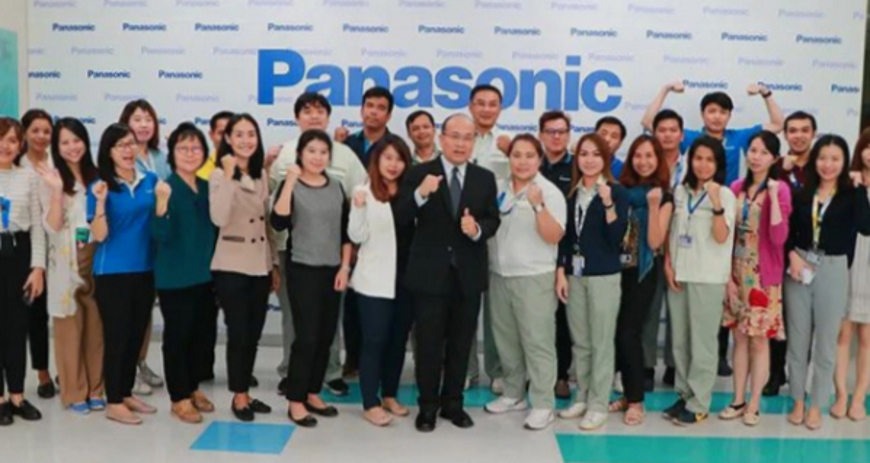
The plan includes the consolidation of factories with similar products into large enterprises and the closure of small factories. This will lead to the closure of small factories in Thailand, but at the same time additional investments will be made in some other product lines, Narit added.
Panasonic Group currently owns 11 factories in Thailand - four large factories accounting for 80% of the group's total sales and seven small factories accounting for 20% - as of 2020. Of the smaller factories in Thailand, three are being phased out to merge with larger factories producing the same products.
A small factory in Samut Prakan, which closed last month, was making fans called Panasonic Eco Solutions. According to him, the remaining three small factories are important enterprises that will continue to produce products.
Four large factories produce infotainment systems for cars, batteries for lights and industrial equipment. According to him, they continue to progress in production and constantly expand investments by closing factories in foreign countries to use their production facilities in Thailand.
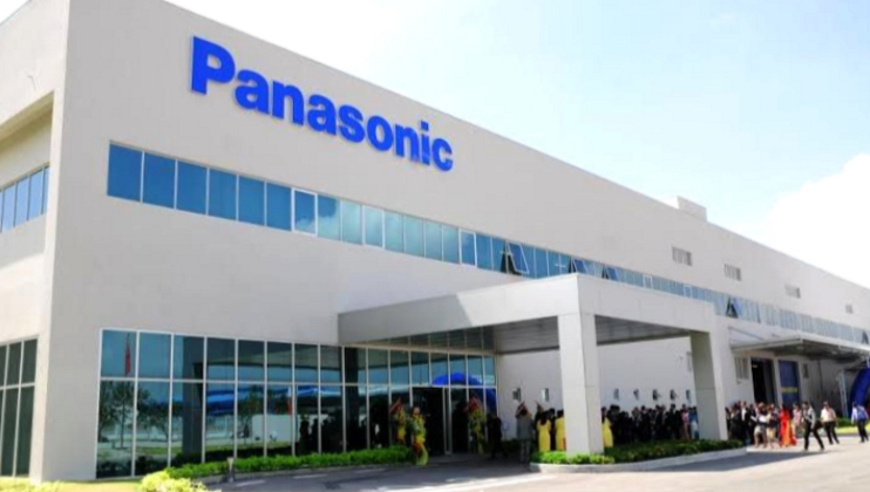
Thailand and Panasonic: Attractiveness for investment
Recently, Panasonic Industrial Devices Thailand Co Ltd, a Japanese and Chinese manufacturer of electronic measurement and automation equipment, moved its production base to Thailand. These are technologically advanced products that require a skilled workforce. All this has led to an increase in the use of raw materials and a significant increase in the hiring of labor in Thailand.
In addition, production capacity for the production of automotive switches has been expanded in Khon Kaen Province. In addition, there are regional offices in Thailand for the production of switches, LEDs, lighting products, as well as research and development centers for infotainment products in the automotive industry.

The development of the electronic components industry in Thailand: Focus on high-tech products and sustainable growth
The electronic components industry is one of Thailand's "target industries" to attract investment for the sustainable growth of the country's industrial sector. Due to geopolitical conflicts affecting the supply chain of electronic components, international companies have adjusted their business strategies. Panasonic has chosen Thailand as a manufacturing base for high-tech products such as PLC, automotive electronic components, and product research and development. This shows the credibility of Thailand as an investment destination, Narit said.
Of particular note is the readiness of the supply chain and business continuity, as well as the growth potential of the high-end electronic components industry, which will become a critical foundation for other future industries such as electric vehicles and digital technology, he said.
Over the past five months (January to May), BOI has promoted 79 projects with a total investment value of 143.86 billion baht in the electrical and electronics industry, more than seven times higher than the same period last year, Narit said.
Apart from Panasonic's investment projects, there are other interesting investments in the electronic components industry. For example, investments from China in the production of components for fiber-optic telecommunications systems and power chips for electric vehicles, which decided to invest in Thailand, Narit added.

Author of the article: Ekaterina Antonova


