

The Power of Innovation: Diversity and High Value Products

In today's global marketplace, where competition is becoming more intense and consumer preferences are constantly changing, innovation and the adoption of new technologies are essential elements for Thai food producers to thrive. This was stated by Visit Limlurcha, Vice Chairman of the Chamber of Commerce and Industry of Thailand.
He noted that through innovation and technology, it is possible to create more diverse food products that meet consumer taste preferences and eating habits. This will allow us to offer a large selection of high-value products on the market.
New technologies can be applied at all stages of the food chain, from smart farming to production and distribution. Automated systems, machines, robots and artificial intelligence provide efficient control and traceability.
Thailand's technological transformation in the food chain
The application of new technologies in the Thai food industry allows not only to increase productivity, but also to ensure the safety and quality of products. Technologies can be used at all stages of production, from smart farming.
Smart farming involves the use of sensors and data analytics systems to monitor soil, moisture, weather and plant growth. This allows you to optimize the use of resources, increase productivity and reduce the negative impact on the environment.
The use of automated systems and robots in production makes it possible to increase the efficiency and accuracy of processes. Machines can perform complex operations, speeding up production and reducing the chance of errors. The use of artificial intelligence allows you to automate the management and tracing of products, providing transparency and safety for consumers.

Expanding Global Presence: Thailand's Path in Food Production
Economic improvements, the recovery of tourism and the application of innovative technologies have allowed Thai food producers to expand their presence in the global market, Limlurch said. This is exemplified by the successful food industry exhibition "Thaifex-Anuga Asia 2023", which attracted more than 130,000 visitors, including a large number of foreign participants.
The visit also noted that lower shipping costs and close cooperation between the government and the private sector are helping Thai food manufacturers expand into new markets. However, they still face certain challenges, such as economic uncertainty, political instability, inflation and the impact of global changes in interest rates on purchasing power.
At the same time, the Visit noted that small and medium-sized enterprises can still compete on a global level. He cited the example of the ready-to-eat food segment, which shows great potential for value creation and growth.

Thai Food: Global Exports and Challenges for the Food Processing Industry

Development and Growth of the Food Processing Industry in Thailand
Thailand, known for its rich culture and diverse cuisine, is one of the largest food exporters in the world. The food processing industry has grown rapidly over the past ten years and continues to grow in both volume and quality. There are more than 10,000 food and beverage processing plants in the country, and although many of them are small and medium-sized factories serving mainly the domestic market, large processing plants produce high-value products for export.
One of the most significant sectors of the food processing industry is seafood. Thailand is the third largest producer of seafood in the world, after China and Norway. About 90% of the seafood produced is exported. Major export products include frozen shrimp, canned tuna, poultry, sugarcane, confectionery, snack foods, canned pineapple and tapioca. Thai brands such as Nautilus, Three Lady Cooks, Roza, Sealect, Hi-Q and Ayam are well known all over the world.

Thailand's Food Industry Export Leader
One of the key sectors of the Thai food industry is the export of seafood. Processed seafood has become an integral part of Thailand's global economy. The seafood industry was worth $3.775 billion in 2019 and annual growth was expected to be limited to 1-2% due to the slowing economy and increased competition from other producing countries. However, a heightened awareness of the health value of seafood has led to an increase in export volumes, with sales expected to increase by another $570 million by 2024.
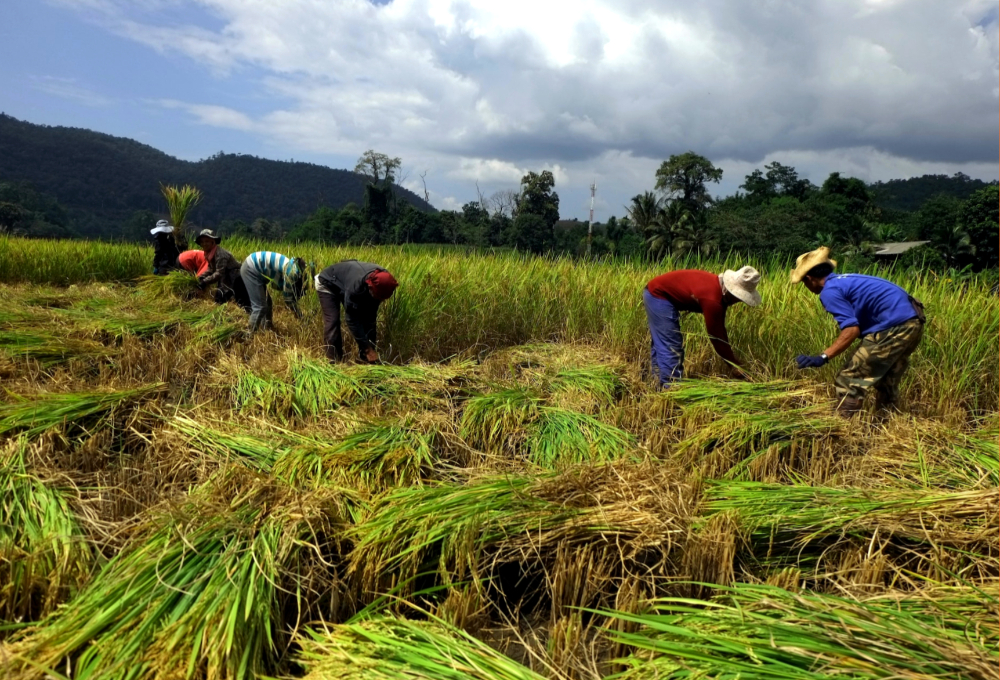
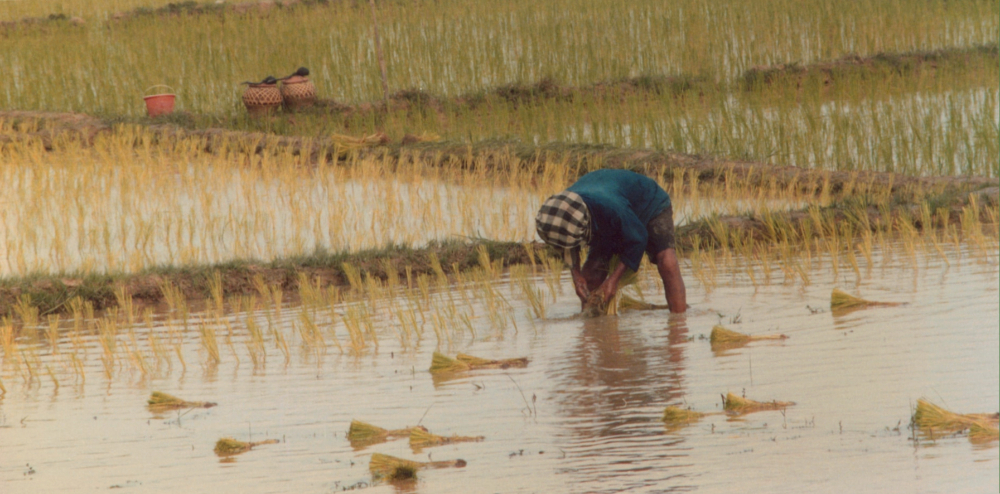
While seafood continues to thrive in the export market, rice exports from Thailand have declined. In the first quarter of 2021, the volume of rice exports decreased by 23% and the value by 23.6%. This decline led Thailand to drop to the third largest rice exporter behind India and Pakistan.

Problems with higher shipping and logistics costs, and the higher price of Thai rice compared to India and Pakistan, have reduced export orders. The price discrepancy resulted in Thailand losing its lead in the white and parboiled rice markets to India and Pakistan.
The growth of fruit exports from Thailand
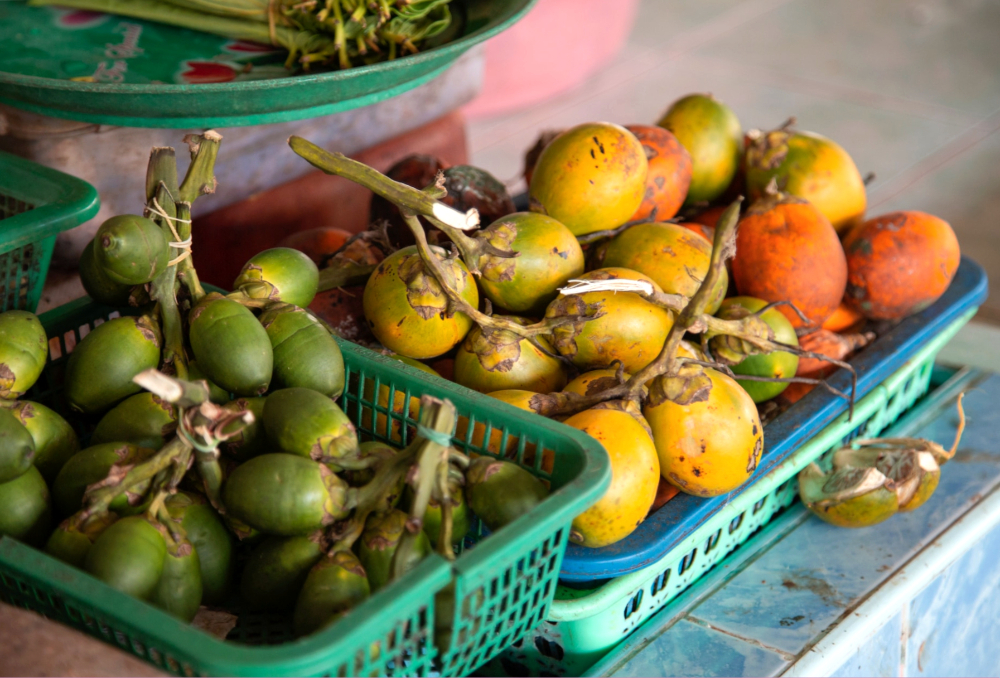
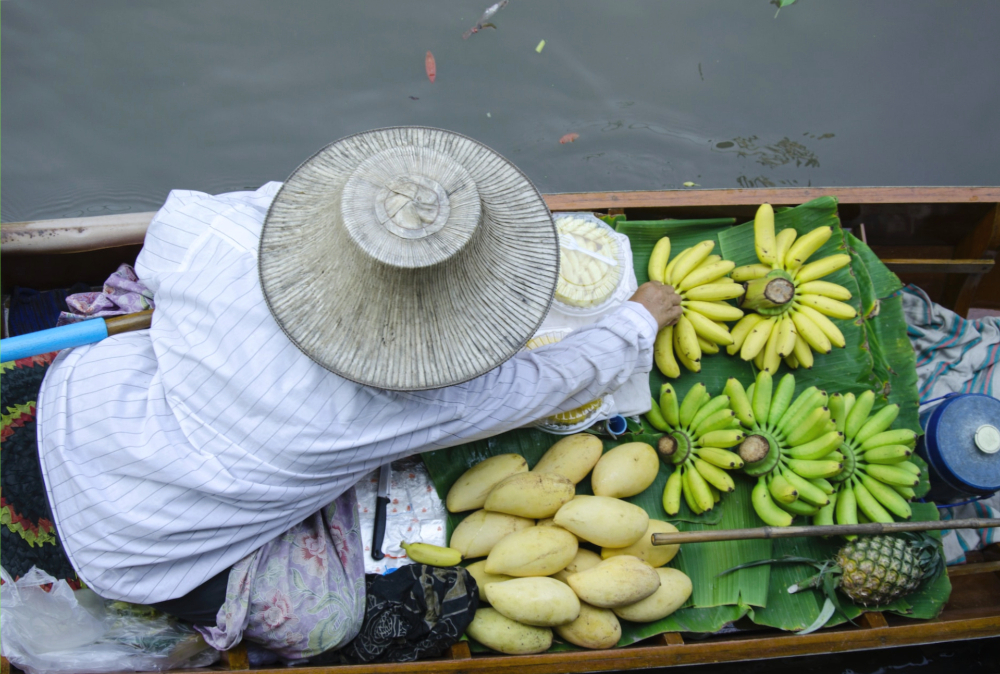
Thailand has also boosted export growth for its fresh fruit crops. In 2019, the country received over $3.2 billion from fruit exports. The popularity of Thai fruits is due to the growing interest in healthy eating and the removal of customs duties on Thai food under numerous free trade agreements (FTAs).
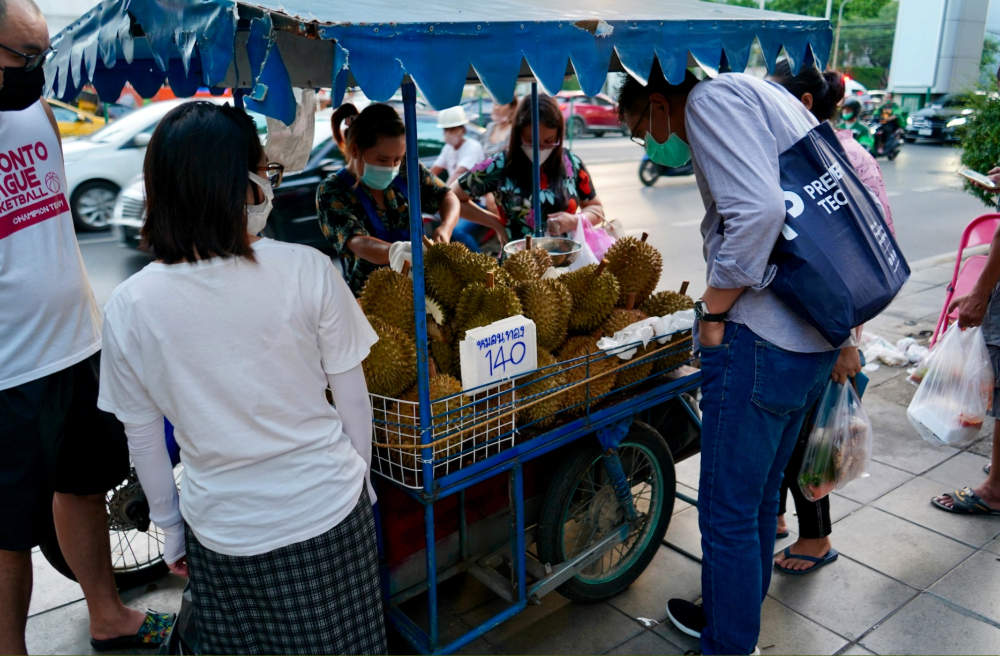
Thailand's most sought-after export fruit is the pineapple. Thailand is the largest exporter of canned pineapple in Asia. However, Thailand is also actively exporting other tropical fruits such as durian, mangosteen and longan. Thailand is currently the sixth largest exporter of fruit in the world.
Thailand is an important player in global food exports. The development of the food processing industry, especially in the seafood and fruit sector, contributes to the growth of exports and attracts customers from all over the world. However, competition, production costs and logistics challenges require constant attention and strategic planning to maintain and strengthen Thailand's position in the global food market.


